Governance
Strengthening Citizens’ Engagement and Public Accountability
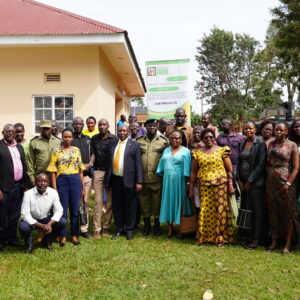
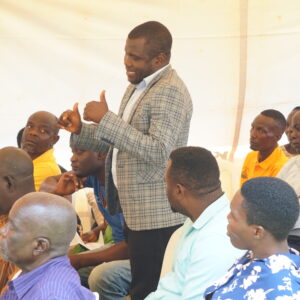
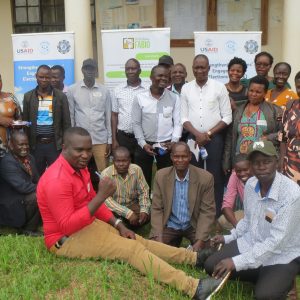
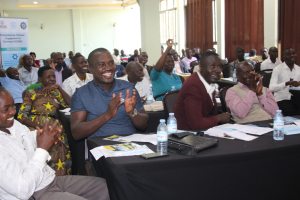 FABIO in partnership with the Uganda National NGO Forum, and the Royal Danish Embassy launched Strengthening Citizens’ Engagement and Public Accountability (SCEPA) to revive active citizenship in the Busoga sub-region. FABIO under this project trained leaders of ten community groups as agents of change (people with disabilities, women entrepreneurs, youth, farmers, savings‑credit clubs, etc.) across 21 villages, the project held 30 grassroots meetings, followed by validation sessions in Iganga, Jinja, Kamuli, and a regional Busoga gathering. These dialogues produced a Busoga sub‑region Citizens’ Charter and spurred concrete improvements—road repairs, stricter school inspections, and enhanced public‑accounts oversight.
Strengthening Citizens’ Engagement in Elections
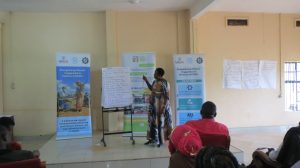 The Strengthening Citizens’ Engagement in Elections (SCENE) project was launched in 2019 to reduce the rising apathy amongst community members towards electoral processes after the 2016 elections. Many citizens had lost faith in the process, while in places like Bubugo (Namagera Town Council), grudges and conflicts lingered long after voting ended, stalling development.
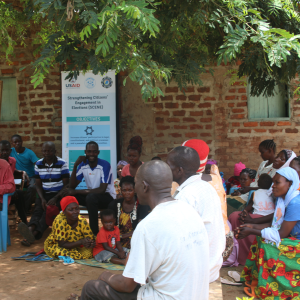
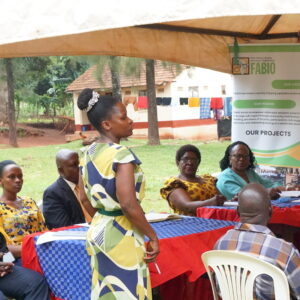
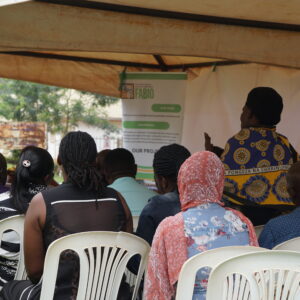
To rebuild trust and encourage constructive engagement, FABIO and the Uganda National NGO Forum introduced SCENE across Iganga, Jinja, and Kamuli. Meetings with already existing groups (Topowa) and village engagements (Ekyoto) were conducted amongst citizens in Iganga, Jinja, and Kamuli to discuss their pressing issues around service delivery. These were followed by accountability forums with leaders at different levels at the parish level (barazas) to resolve some of the emerging issues from the citizens, stakeholder engagements at the district and regional levels crowned the discussions. As an outcome of these engagements, commitment charters were filled with different leaders pledging to address some of the critical issues. To amplify the voice and reach out to more people,radio talk shows were conducted. This project reached nearly 10 million people, delivering voter education, empowering citizens to summon local officials, and promoting accountability.
The results have been positive: communities demanded and achieved road repairs, recovery of misused funds, provision of new hospital beds, and improved waste collection. SCENE not only rehabilitated fractured communities but also proved that when citizens engage peacefully and hold leaders accountable, democracy becomes a driver of development.
Women-Led Movement for Peaceful Elections
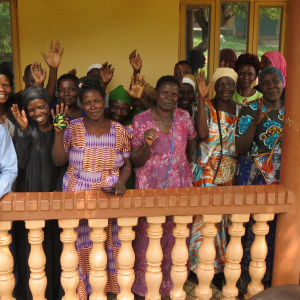
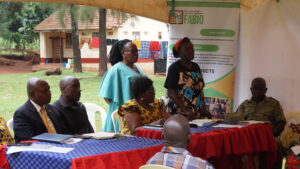 The Women‑Led Movement for Peaceful Elections project was launched to create conflict‑free electoral environments and restore public confidence in voting processes, responding to the partisan hostility and election‑related hate that had eroded trust and threatened democratic legitimacy in many Ugandan districts. Building on the Women’s Situation Room model proven across Africa, FABIO partnered with the Women International Peace Centre to train and mobilise local women and youth as peace advocates.
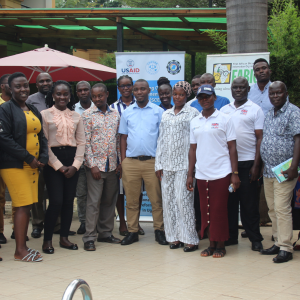
In Jinja City and District, 100 women and youth received intensive training in conflict prevention, mediation, negotiation, and peace‑building, while 50 election observers were recruited and prepared to operate a physical Situation Room that serves as an early‑warning and rapid‑response hub during electoral cycles. The initiative also facilitated dialogue sessions with political actors, civil‑society groups, and the public to promote tolerance of diverse views and protect freedom of expression. As a result, trained peace advocates can now identify, manage, and refer potential conflicts before, during, and after elections, fostering a culture of peace and tolerance. The Situation Room has coordinated timely interventions that have de‑escalated emerging tensions, ensuring smoother electoral processes.
Communities report increased confidence in the fairness and transparency of elections, noting reduced hate speech, smoother vote‑counting, and improved dialogue among candidates. By placing women at the centre of peace‑building efforts, the project demonstrates that empowered, organized women are critical agents for preventing electoral violence, mediating disputes, and strengthening democratic participation.